
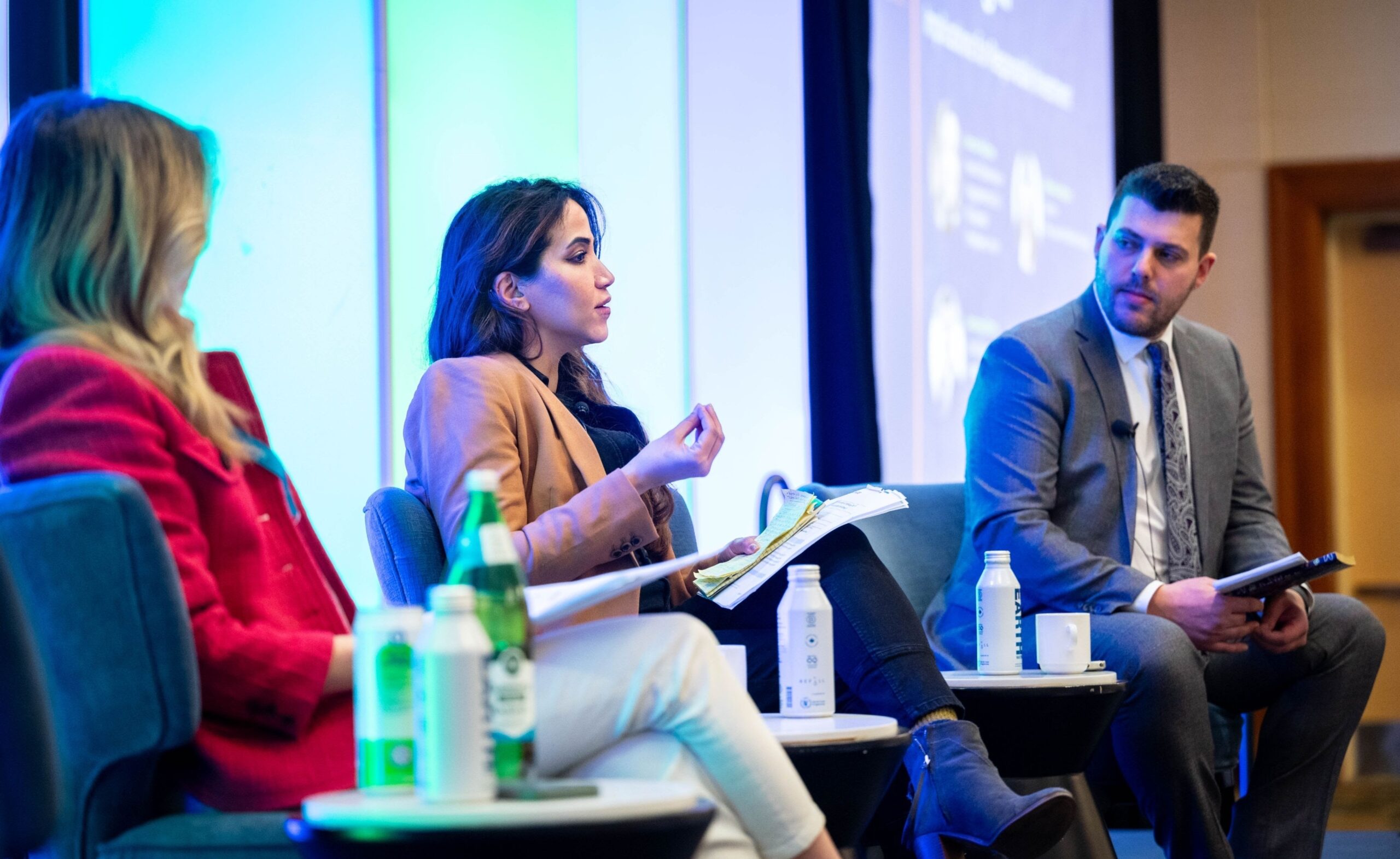
Born in Puerto Rico to a Dominican mother and Puerto Rican father, I began my career in public service on the frontlines of systems that too often fail the people who depend on them — working in juvenile detention centers, jails, senior centers, legal aid programs, crisis counseling initiatives, and community spaces across New York City.
I helped families navigate healthcare, housing, schools, immigration, courts, and work. I saw how underinvestment, bureaucracy, and poorly designed policy leave people without help — not because they did anything wrong, but because the system was never built for them.
I later worked inside public institutions to modernize how justice is delivered, using data and technology to improve access, efficiency, and transparency so the rule of law works for people — not just institutions.
Before entering policy work, I worked as an insurance claims processor. I saw how delays, denials, and opaque rules create hardship, especially for seniors and families facing serious illness.
When I later helped my own family navigate palliative and end-of-life care for my mother, one lesson became clear: dignity should never be a privilege especially at life’s most vulnerable moments.
Those years taught me that fixing broken systems requires two things above all: integrity and competence.
Integrity means drawing clear lines against corruption and abuse.
Competence means building systems that are designed and implemented to actually work.
Progress doesn’t come from performance or purity tests. It comes from building across differences and doing the work of execution.
They also taught me that progress doesn’t come from purity tests or performance. It comes from building across difference and doing the hard work of execution.
For the past decade, I’ve focused on exactly that work.
I’ve founded and led cross-sector initiatives that bring workers, labor unions, technologists, investors, startups, Fortune 500 companies, regulators, and business leaders into the same room and out of it with concrete rules, guardrails, and accountability.
Through this work, I have:
I’m also the author of The Human Interface, a plain-language guide written for everyday workers navigating how AI and technology are reshaping jobs, wages, and power. The book translates complex policy into practical tools for families and communities.
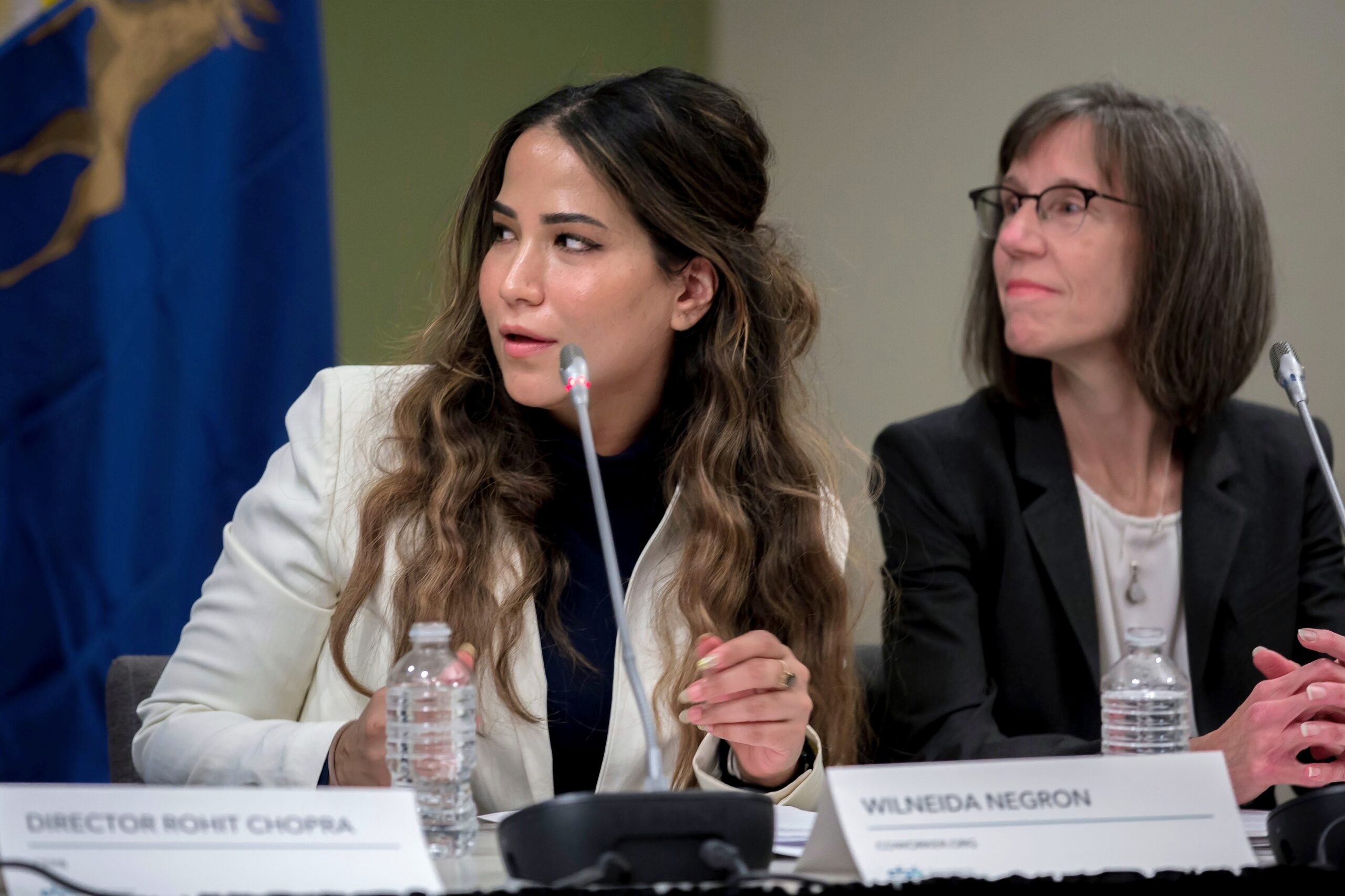
Alongside my professional work, I’ve participated in cross-generational civic leadership efforts focused on rebuilding democratic norms, ethical leadership, and trust in public institutions during a time of deep polarization.
My leadership is also shaped by my Jewish identity and a belief that the rule of law, moral responsibility, tikkun olam (תיקון עולם), and care for community must guide how power is exercised, especially when it’s hard.
I’m also a musician who has performed across New York City and worked to support artists, musicians, and film and production workers through COVID.
I believe a healthy democracy depends on a vibrant arts, culture, and media ecosystem—especially in an AI-driven world that needs truth-tellers, creators, and storytellers more than ever.

Me performing with my band at the old Knitting Factory in Manhattan.
I’m raising two kids in District 12 public schools and can often be found in Central Park walking my two dogs.
I’m running for Congress as a lifelong public servant because this moment doesn’t call for politics as usual.
It calls for leaders who understand what has failed, who aren’t captured by insiders or inherited power, and who know how to govern with integrity, competence, and care for the future already here.
I’m not running to inherit a seat. I’m running to earn trust, fight for workers and families, and build a government that works again — across differences.
Ballot access isn’t a technical hurdle.
This is how we build an independent campaign – together.
Sign up for updates, events, and ways to help build what comes next.